The European Commission set out plans on Wednesday to cut electricity taxes and coordinate the summer refill of countries’ gas storage, as it seeks to cushion the energy fallout from the Iran war.
The published plans show the EU will, for now, avoid major market interventions such as capping gas prices or taxing energy companies’ windfall profits – measures it used in 2022 when Russia cut gas supplies and prices hit record highs.
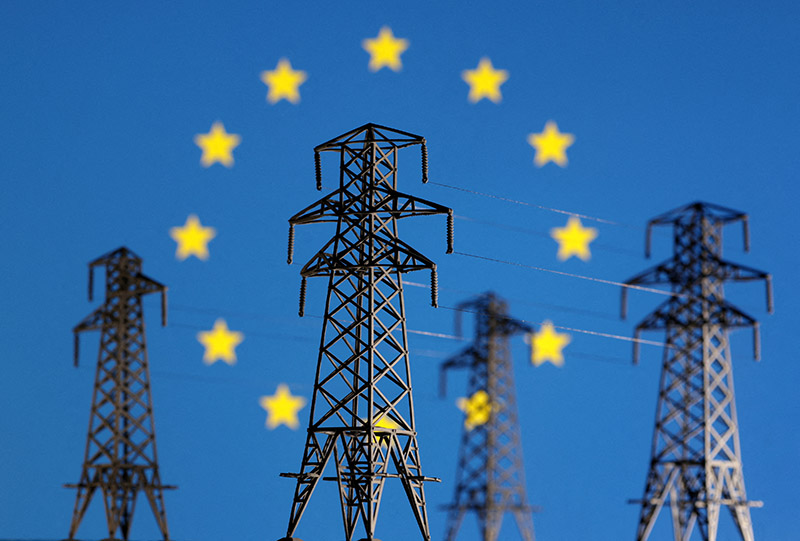
The Commission said it would amend EU rules to ensure electricity is taxed less than gas, and make it easier for governments to cut industries’ and vulnerable households’ electricity taxes to zero, to curb their bills, confirming plans previously reported by Reuters.
EU energy commissioner Dan Jorgensen said the Iran war’s damage to Middle Eastern gas infrastructure meant prices would remain higher than expected for “a couple of years”.
“Even a best case scenario where the war ends very soon is still a bad scenario,” he told Reuters.
“We really do need to get rid of our dependency on gas as fast as possible. So for us, this means speeding up more clean energy.”
TRICKY TAX CHANGES
The Commission will publish legal proposals to change the tax rules in May. Tax changes require unanimous approval from EU countries, making them difficult to pass.
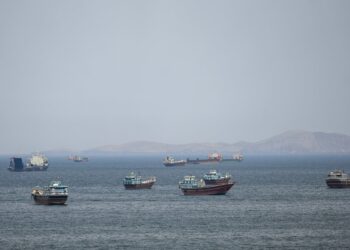
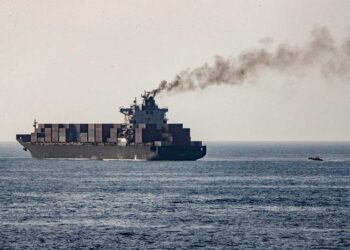
Europe’s reliance on oil and gas imports has left it exposed to spiralling prices since the Strait of Hormuz, a vital fuel shipping route, was effectively closed. European gas prices have increased by a third since the U.S.-Israeli war with Iran began on February 28.
Still, gas prices remain far below 2022 levels and so far, Europe has not faced fuel shortages, relying on the U.S. and Norway as its biggest oil and gas suppliers.
Brussels said it would coordinate countries’ efforts to fill gas storage in the coming months, to avoid price spikes if companies rush to buy at the same time.
The Commission will also work on measures to maximise capacity at Europe’s oil refineries and consider introducing obligations for countries to hold stockpiles of jet fuel to avoid shortages.
Jorgensen said Brussels had not ruled out bigger interventions, including an EU-wide windfall profit tax on energy companies, but this was not currently needed.
EU officials told Reuters the bloc’s relatively restrained response reflects that national governments, rather than Brussels, control many crisis-management levers, including fuel subsidies and national tax cuts.
EU governments have already earmarked billions of euros from national budgets to cushion consumers from higher prices.
In the longer term, the EU plans to replace fossil fuels with locally produced renewable and nuclear energy faster, to shield against future oil and gas supply shocks. The Middle East conflict has triggered less severe European power price spikes than in 2022, in part, because countries have significantly expanded renewable electricity.
The EU produced 71% of its electricity from renewables and nuclear energy last year, up from around 60% in 2022, data from think tank Ember showed.
(Reporting by Kate Abnett)