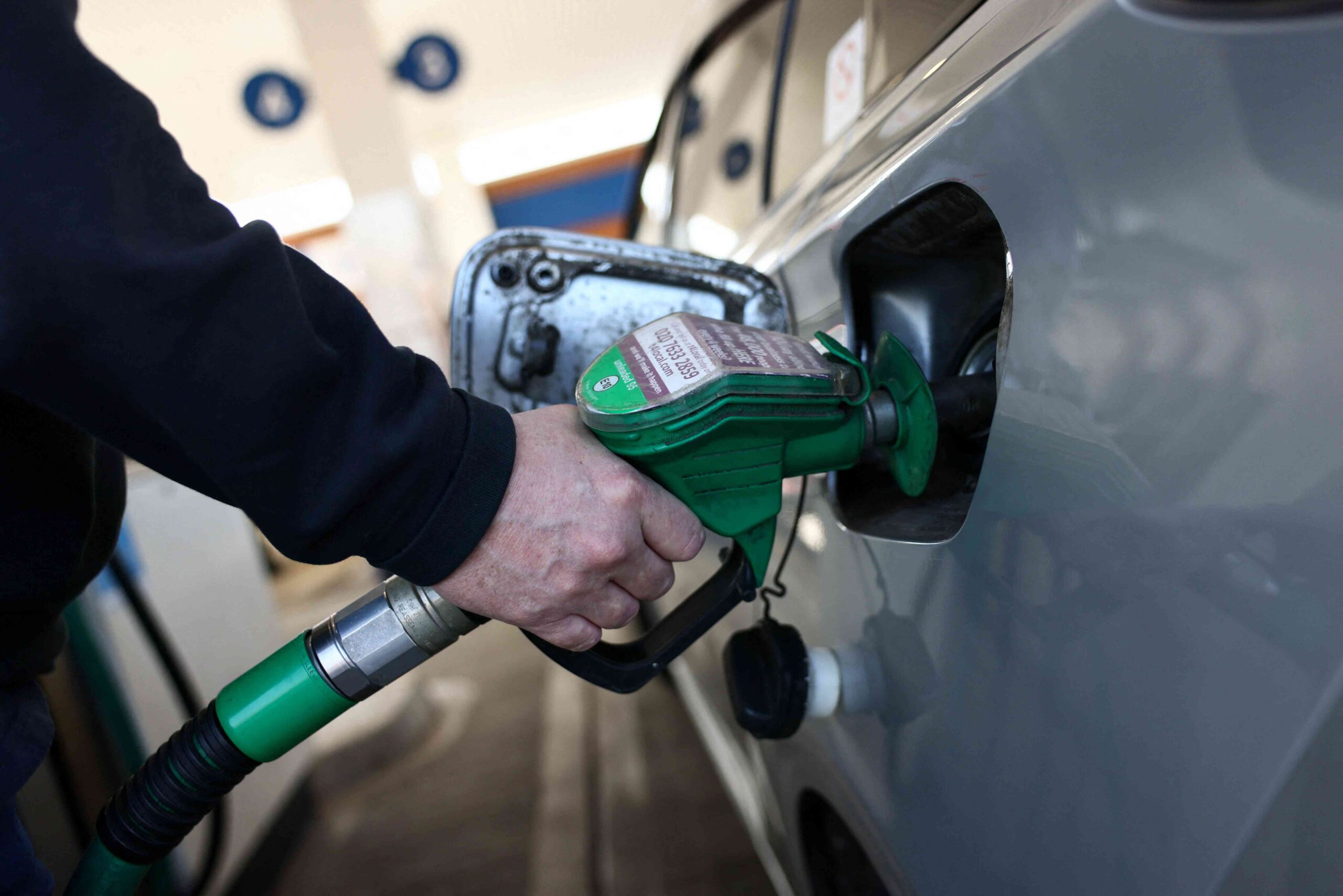
Surging fuel prices caused by the conflict in Iran weighed on British consumers last month, dampening household spending as travel plans were shelved, surveys showed on Tuesday.
Barclays said consumer morale remained resilient despite falling confidence in the economic outlook.
A separate survey from the British Retail Consortium (BRC) showed a boost in retail sales related to the timing of the Easter holidays, but also showed a hit to spending on travel-related items.
Barclays said:
• Consumer spending grew by 0.9% in annual terms in March after a 1.0% rise in February
• Travel spending fell by 3.3% year-on-year – the first such drop since March 2021, during the COVID-19 pandemic
• Travel agents and airlines were the biggest contributors to the drop
• One in seven consumers surveyed by Barclays said they were delaying major purchases in response to the uncertainty in the Middle East, while the same proportion said they were building up a savings buffer
• “Shoppers delaying major purchases and building up a savings buffer in response to the shock from the Middle East reinforces our view that activity will be muted in the coming months,” said Barclays economist Jack Meaning
• Barclays’ survey covered February 20 – March 26
The BRC said:
• Total retail sales increased by 3.6% in annual terms in March, against growth of 1.1% in February
• Food sales increased sharply, related to the early timing of the Easter holidays
• “Non-food performance was more uneven: demand was robust for computers, toys, and homeware, but clothing and footwear continued to struggle. The disruption to international travel caused by the Middle East conflict also hit sales of travel-related good,” said BRC chief executive Helen Dickinson
• The BRC survey covered the five weeks to April 4
(Reporting by Andy Bruce)