Iran is pushing for a limited interim agreement with the United States in a bid to ease mounting economic pressure and stabilise the situation at home, while avoiding major concessions on its nuclear programme, according to sources and analysts.
The approach reflects a familiar playbook for the Islamic Republic: absorb pressure, avoid irreversible compromises and keep negotiations alive without shifting core positions, three Iranian sources close to decision-makers said.
But the latest push is also driven by more immediate concerns. Officials see a narrow deal as a way to buy time, unlock financial relief and contain rising domestic risks over a deteriorating economy without addressing the most contentious issues.
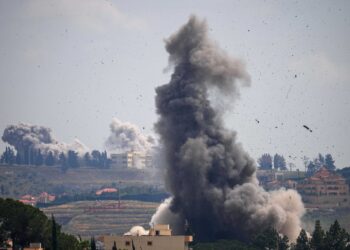
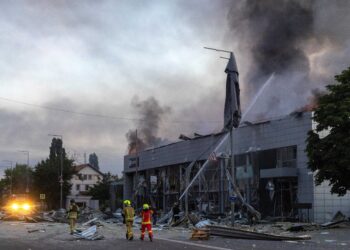
The diplomatic manoeuvring follows weeks of escalation after U.S.-Israeli strikes in late February spiralled into a broader regional conflict. Iranian attacks across the Gulf heightened fears over the security of the Strait of Hormuz, a chokepoint for roughly a fifth of global oil and liquefied natural gas supplies.
Three months on, and despite a fragile ceasefire in early April, the conflict has hardened into a stalemate. A U.S. blockade on Iranian ports and Tehran’s grip on the Strait have sustained mutual pressure, driving up economic costs while leaving the risk of renewed fighting unresolved.
Against that backdrop, both sides have lowered expectations of a comprehensive settlement. Instead, they are exploring what officials describe as a temporary memorandum — effectively an interim deal — aimed at preventing a return to open conflict while deferring core disputes over Iran’s nuclear activities.
TEHRAN SEEKS BREATHING SPACE
For Tehran, such an arrangement is primarily a means of converting military and economic pressure into liquidity, breathing space and de-escalation, without curbing sensitive nuclear work.
Iran is seeking an end to hostilities across all fronts, including Lebanon, access to billions of dollars in oil revenues, waivers on crude exports, a lifting of the U.S. port blockade and continued leverage over the strait — while postponing decisions on the most contentious issues.
The framework would centre on temporary easing and phased access through the waterway, leaving unresolved questions over enrichment capacity and Tehran’s stockpile of highly enriched uranium, including material enriched to 60%.
Alex Vatanka, a senior fellow at the Middle East Institute in Washington, said Tehran’s calculation is shaped less by battlefield risks than by economic pressure and uncertainty.
“Iranian leaders understand that time is not necessarily on their side… their calculation appears to be that dialogue, even limited dialogue, is preferable to entering an open-ended period of economic attrition and uncertainty that could gradually weaken its ability to govern at home and project influence abroad.”
TEHRAN FEARS PROTEST REVIVAL
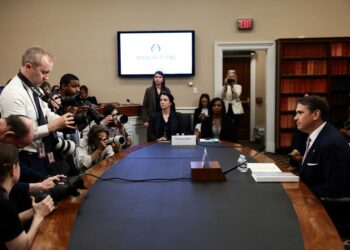
Much rests on the success of negotiations. President Donald Trump is under pressure to reopen the Strait of Hormuz and curb U.S. fuel prices, while fending off criticism from Iran hawks in his own Republican party over any concessions to Tehran.
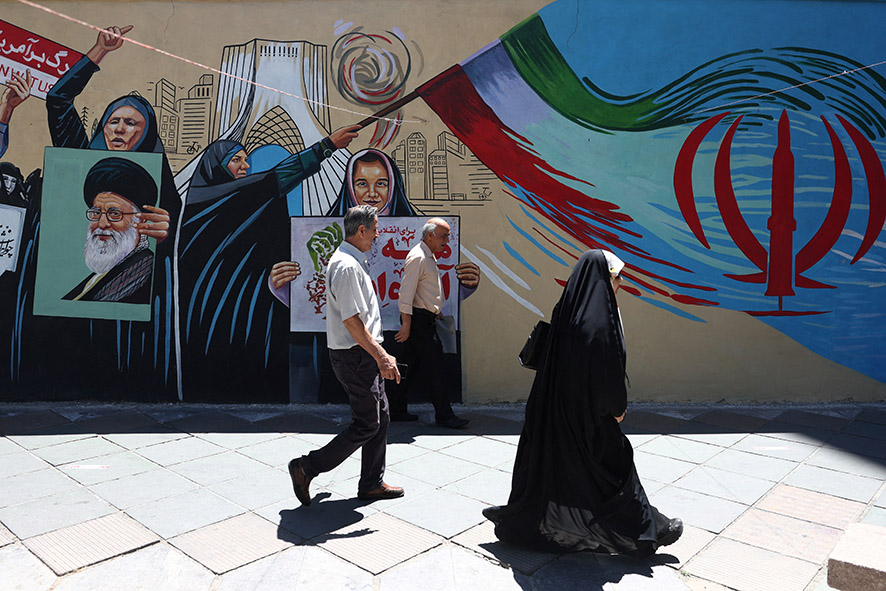
Iran’s leadership also faces domestic pressures. Years of sanctions, economic mismanagement and conflict have fuelled inflation, currency depreciation and a sharp decline in living standards.
Short-term financial inflows are therefore crucial to Tehran’s interest in a preliminary deal, the sources said, as they could keep the economy running, ease immediate pressures and stave off a resurgence of unrest.
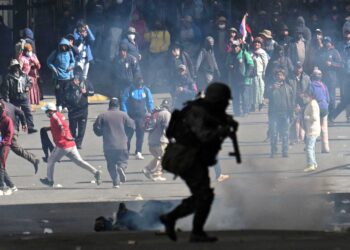
In January, Iran’s clerical establishment and the Revolutionary Guards killed thousands while suppressing nationwide protests sparked by economic grievances.
Hamidreza Azizi, a visiting fellow at the German Institute for International and Security Affairs (SWP) in Berlin, said a memorandum could also address mounting concerns about the long-term resilience of the system.
“By ending the conflict, reducing economic strain, removing U.S. military pressure around Iran, and creating space for reconstruction, an MoU could help prevent a gradual erosion of state capacity and governance,” Azizi said.
STRAIT REMAINS IRAN’S LEVERAGE
The Strait of Hormuz remains central to Iran’s leverage. Within the clerical establishment, it is increasingly seen less as a bargaining chip than as a durable strategic asset.
Any arrangement that restores shipping while preserving that leverage would leave Tehran’s influence over the chokepoint intact, the sources said, allowing flows to resume while stability remains tied to political negotiation.
One source said a limited deal would effectively restore prewar conditions without forcing Iran to yield to Washington’s demands, adding: “With the start of the war, Trump gave Iran the gift of control over the Strait.”
(Writing by Parisa Hafezi)