The strength of the euro is amplifying the deflationary effect of China’s export machine, which may end up being the catalyst that could jolt the European Central Bank out of its “good place” and into more interest rate cuts.
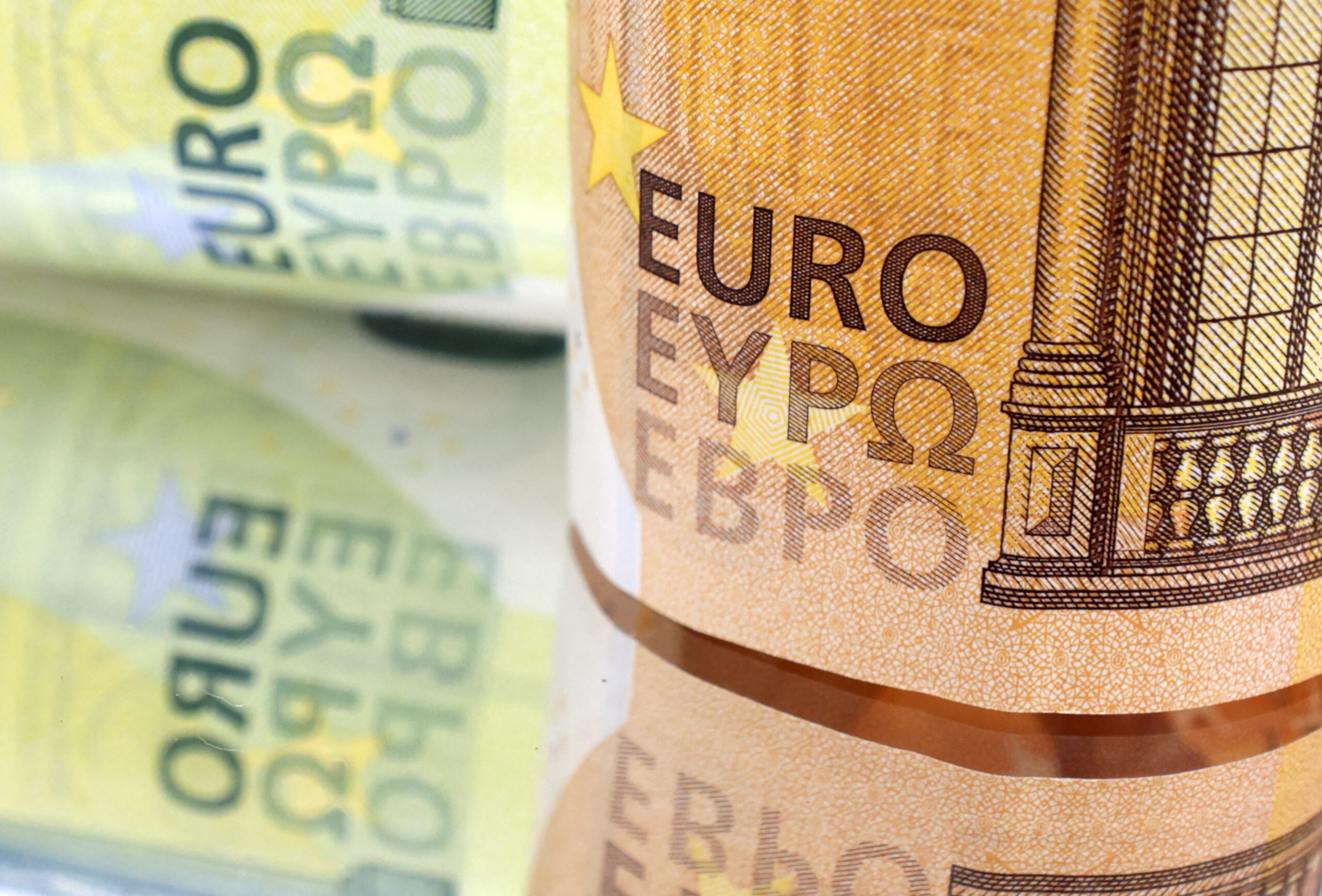
The euro is around $1.166, having hit a four-year high of $1.1918 in September and set for a gain of nearly 13% this year, the most since 2017.
EURO MORE EXPENSIVE THAN MEETS THE EYE
The ECB’s euro real effective exchange rate – essentially the basket of key trading partner currencies adjusted for inflation – hit a high of 98.68 in September, the most since May 2014. It was at 97.81 in November.
The nominal rate, which is around 129.96, hit a record 130.87 in September, having risen 5.7% so far in 2025.
“The euro is a lot more expensive than meets the eye,” said Themos Fiotakis, Barclays global head of forex strategy.
“If you look at the euro on a trade-weighted basis, and also against some of its more direct competitors, you’ll see that the euro is at historically high levels,” he argued, adding that factoring in U.S. tariffs offers a euro rate closer to $1.28.
One of the main drivers of the rise in the trade-weighted euro has been the 7% drop in the Chinese yuan in the offshore market this year.
China is Europe’s largest trading partner. The most recent data show the euro zone had a trade deficit of 33 billion euros with China in September, compared with a 22.2-billion euro surplus with the United States, the region’s second-largest partner.
ONE OR TWO RATE CUTS STILL POSSIBLE
Goldman Sachs recently delivered its biggest upgrade to China’s growth outlook in a decade, saying Beijing’s push to flood markets with cheap goods could stoke deflation, particularly in Europe.
Chinese exporters will be looking to expand their footprint in markets other than the United States and, given the country’s grip on supply of critical rare earth materials, there may be little room for trade barriers.
ECB Vice President Luis de Guindos said in July the central bank can ignore an appreciation of the euro up to $1.20, but it would get “much more complicated” above that level.
“We’re seeing only limited pass-through from the exchange rate so far, as margins are still being rebuilt—and that process may not be complete yet,” said Simon Wells, chief European economist at HSBC.
“If the trade-weighted euro were to appreciate sharply from here, say by around 5%, that could well trigger further policy easing,” he added, noting that in this case there would likely be more than one cut.
ECB official Martin Kocher said in September the exchange rate wasn’t a risk, but further euro appreciation could “become problematic” for exporters, while Martins Kazaks recently said the exchange rate and Chinese trade flows were key risks to the central bank’s policy outlook.
“What I’m telling clients is that our base case remains that rates will be unchanged, but the likelihood that the ECB will cut one or two more times between now and the summer of next year is still pretty high,” said Carsten Brzeski, global head of macro research and chief euro zone economist at ING.
“The China story could be the tipping factor to push the ECB into rate cuts.”
BETS ON ECB RATES SENSITIVE TO TRADE TENSIONS
Markets show traders expect the ECB to be firmly on hold until at least March 2027. But tariffs and fears of a global trade war have seen that pricing come back from a low in April of 1.55%, when Trump slapped tariffs on all major trading partners.
Strategists say the outlook for the euro will remain dominated by the difference between euro zone and U.S. interest rates. The Federal Reserve is widely expected to deliver a series of cuts next year that could weigh on the dollar and, in turn, boost the euro.
“Lower rates and a weaker dollar go hand in hand,” said Andreas Koenig, head of global currency management at Amundi Asset Management, arguing that Trump will influence the Fed toward more easing ahead of mid-term elections.
“I think that the first sequence is a lower dollar, then an accelerating (U.S.) economy.”
(Reporting by Stefano Rebaudo)