The surge in energy prices triggered by the U.S.-Israeli war on Iran is putting European governments under pressure to help households and businesses, but strained finances in some major economies mean their firepower is limited.
That makes it unlikely they will match the broad support provided after Russia’s full-scale invasion of Ukraine three years ago, when subsidies and other assistance ran into the hundreds of billions of euros.
Mindful of the 2022 energy crisis that exacerbated cost-of-living worries and angered voters, governments are beginning to respond, including with a record release of oil reserves.
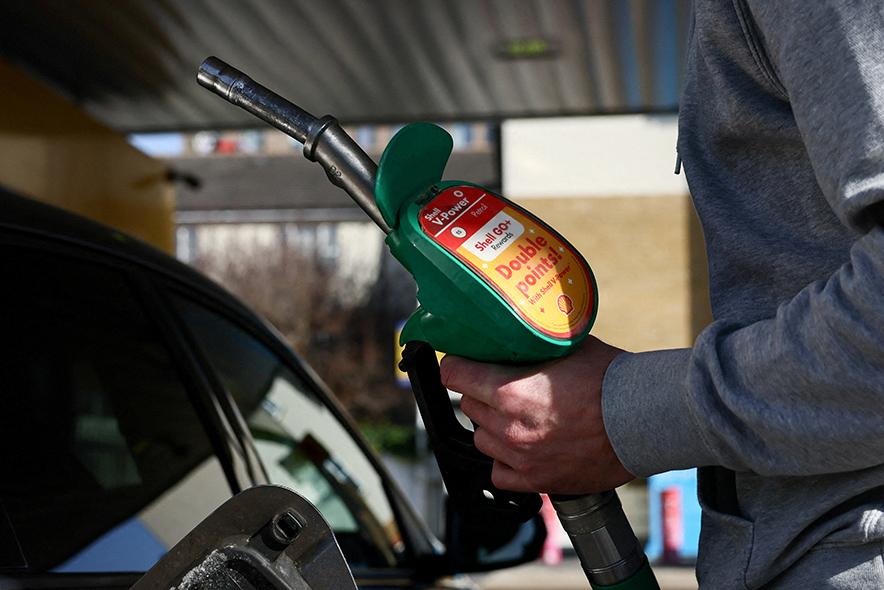
France, Greece and Poland have introduced oil price caps, restrictions on profit margins and discounts – measures that come at little cost to the public purse – while Germany also wants to regulate pump prices.
But they may yet need to do more.
“If you get an interruption for more weeks of gas deliveries from Qatar and gas prices go higher, it’s likely you will see governments stepping in and reintroducing some subsidies,” said Frank Gill, S&P Global Ratings’ lead EMEA analyst.
Governments can’t yet know where whipsawing energy prices will land. But it’s clear they are cautious about fiscal measures.
Britain has said it is too early to freeze fuel duty, while the French government has pushed back against opposition calls to cut value-added tax (VAT) on petrol. Italy is looking at using VAT revenue generated by higher prices to fund a cut in fuel excise duty.
The difference from 2022 is that the COVID-19 pandemic and the energy crisis that followed have left budget deficits across European economies nearly 3 percentage points higher than in 2019, Gill said.
Economic growth is weaker than four years ago and interest costs are higher, while European governments are already raising defence spending. Germany is ramping up borrowing for a massive stimulus plan.
OIL PRICES NEAR 2022 PEAKS – BUT NOT GAS
Although oil prices flirted with $120 this week, nearing their 2022 peak, Europe’s energy situation is not quite the same as 2022. Gas prices are up over 50% since the war started, but only one-sixth of the levels above 300 euros per megawatt hour they reached then. And Europe isn’t rushing to replace a single supplier, as it did with Russia.
But if high prices persist and governments have to provide support, that could add to fiscal pressures in France and Britain given their high budget deficits, Fitch’s head of Western European ratings Federico Barriga-Salazar said last week.
In Central Europe, S&P said Hungary’s investment-grade rating faces risks given already generous support measures in place ahead of an April election.
Spain, Portugal and Greece have stronger finances but higher spending could compromise their recoveries, Barriga-Salazar said.
As for Italy, which has gone a long way to repairing its fiscal reputation, Scope Ratings warned that slowing growth could complicate its exit from the European Union’s budgetary discipline measures.
TARGETED MEASURES
Given the limited room to act, support measures, which governments kept broad in 2022, will need to be limited and more targeted this time around, Barclays economists said. Britain and Germany have already echoed that message.
Morgan Stanley said euro zone governments’ energy support measures added up to 3.6% of output across 2022-23, when EU rules limiting deficits were suspended during the pandemic. Now, it estimates, they could only provide support of around 0.3% of output per year while sticking to the EU’s rules.
If the Strait of Hormuz stays shut for over a month and there are signs growth is weakening, the EU could allow some countries to deviate temporarily from the rules, Morgan Stanley said, expecting they would spend up to 0.6% of output per year to fund targeted measures.
It would take a severe downturn for the EU to suspend its rules again, Morgan Stanley added.
More importantly, higher debt costs are themselves a constraint.
“I don’t see any country being big on fiscal for the moment because they fear they will be punished,” said Gregoire Pesques, chief investment officer, fixed income at Europe’s biggest asset manager Amundi.
Bond investors have become more sensitive to fiscal slippage in recent years, and Britain and France have been in the firing line in Europe.
Germany, with low debt, and Spain, with high growth, have more room to respond, Pesques said.
Key to the affordability of any support measures will be how much of the cost governments can offset.
One strategy is windfall taxes on energy companies, which many European countries implemented last time and Italy has already signalled. But S&P’s Gill noted revenues last time had been far from matching the cost of subsidies.
Critics say subsidies and price caps would raise energy demand and put upward pressure on already high prices.
“In the short term, the best option is to enable and incentivize reductions in demand,” said Georg Zachmann, senior fellow at think-tank Bruegel.
(Reporting by Yoruk Bahceli)