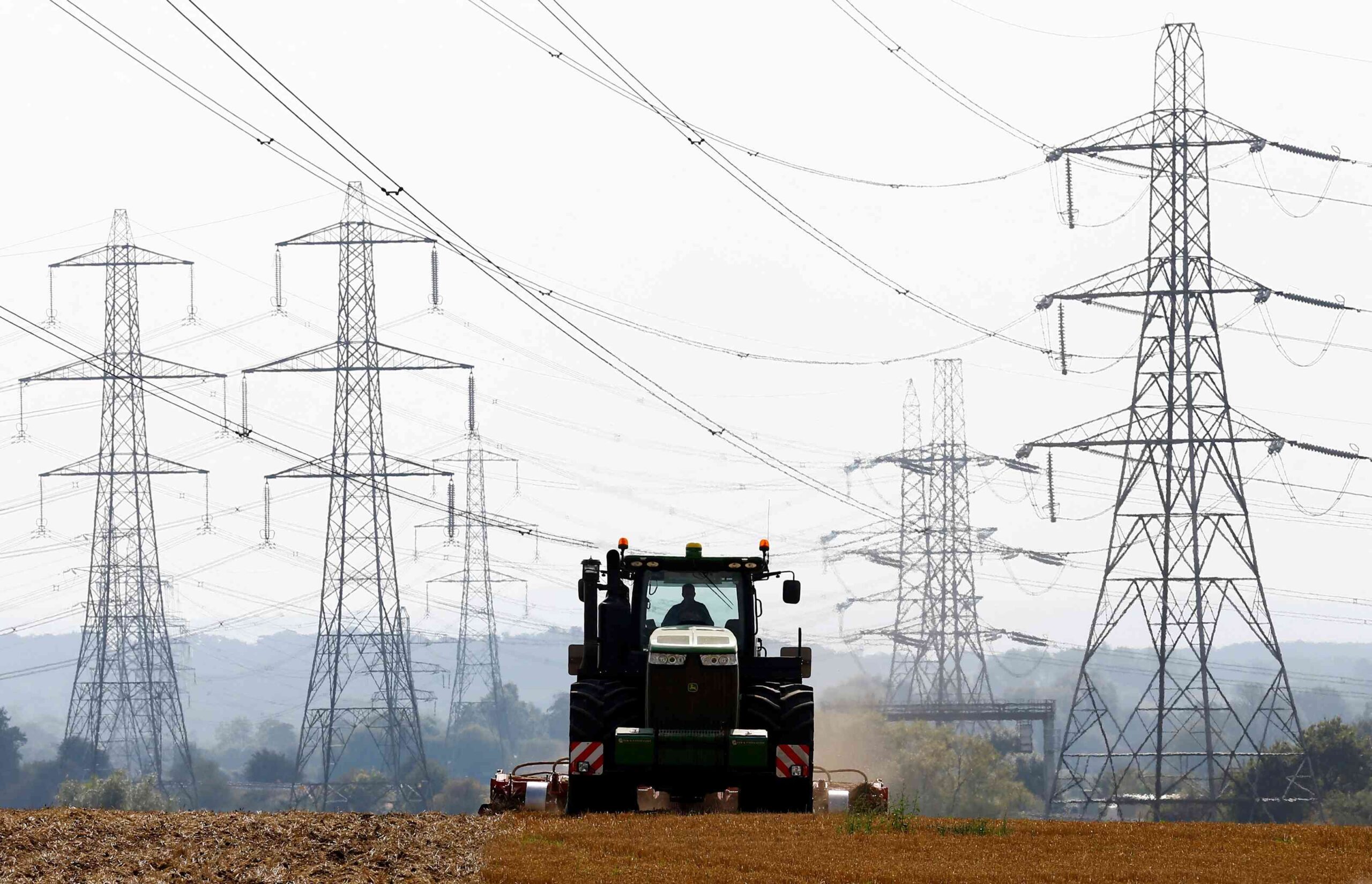
Britain’s National Energy System Operator will prioritise grid connection for the most viable power generation and storage projects in a huge overhaul of the system, it said on Monday, designed to root out zombie projects clogging up the process.
Britain has a target to largely decarbonise its power sector by 2030 which will require many more renewable power plants such as wind and solar which will need to be connected to the electricity grid.
The government has also said it wants the country to become an artificial intelligence “superpower” which will require grid connection for power-hungry data centres.
The overhaul replaces a first-come, first-served system that had created a queue of more than 700 gigawatts of projects seeking connection – four times the amount Britain needs to meet its 2030 clean power targets.
“These changes will cut grid bottlenecks by prioritising ready-to-build projects, giving certainty about when and where they can connect and unlocking billions in clean energy investment,” Kayte O’Neill, NESO Chief Operating Officer, said.
Under the new process, projects with planning permission, land rights and alignment with national energy goals will be fast-tracked for connection.
Around 3,000 grid connection applications were assessed, with 132 GW identified as crucial for meeting the government’s Clean Power 2030 target and a further 151 GW needed by 2035.
A further 99 GW of projects seeking power from the grid, such as data centres, will also be prioritised for connection, NESO said.
More than 300 GW of projects will not advance, having failed to demonstrate readiness or alignment with national objectives, it said.
Britain’s Energy Secretary Ed Miliband said the government inherited “a broken system where zombie projects were allowed to hold up grid connections for viable projects.”
The reforms follow months of collaboration between NESO, network operators, industry, regulator Ofgem and government officials, NESO said.
(Reporting By Susanna Twidale)