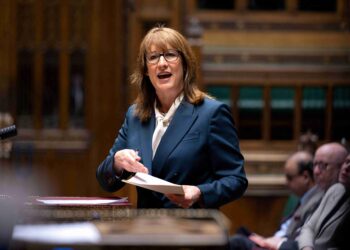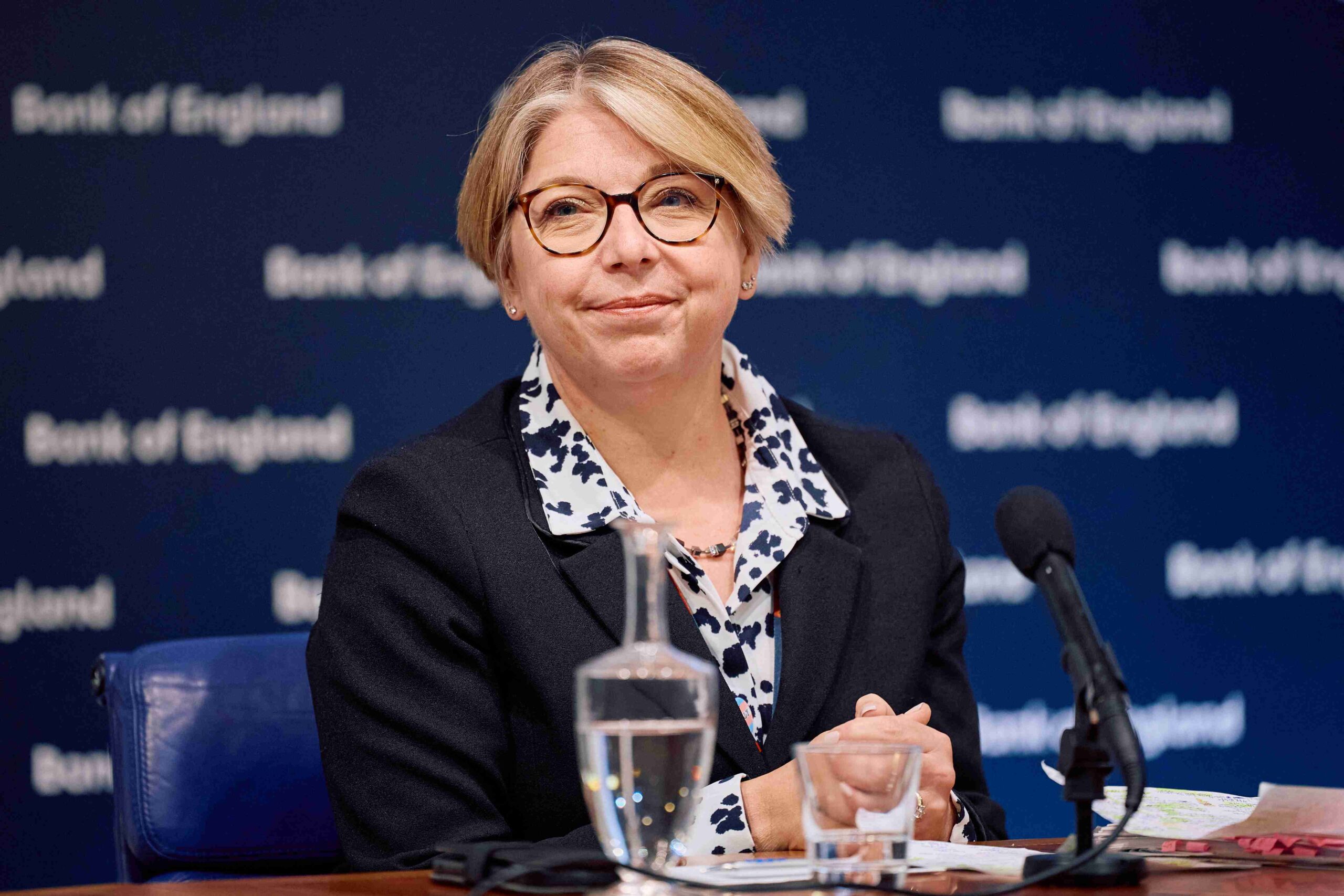
Bank of England Deputy Governor Sarah Breeden said she saw less risk of second-round inflation effects from rising energy prices caused by the Iran war than from Russia’s full-scale invasion of Ukraine in 2022, due to greater labour market weakness.
“Where we are now is very different to 2022 when we had the last energy shock,” Breeden told an event hosted by the Resolution Foundation think tank on Thursday.
“There’s slack in the labour market, and it’s rising. And the outlook for activity was lacklustre even before the energy shock,” she added, saying this reduced the chance of big wage rises and firms’ scope to increase prices much outside the energy sector.
Breeden also highlighted other differences she saw compared with 2022, including how inflation would soon have been at 2%, had it not been for the energy price rise, and how BoE interest rates were already at a level that restricted price growth.
Last week the BoE’s Monetary Policy Committee voted unanimously to keep interest rates on hold at 3.75% but policymakers varied in the minutes in how ready they appeared to be to consider a rate hike at future meetings.
Financial markets price in two or three quarter-point rate rises by the BoE – a reaction which Breeden said was “not surprising” given the sharp rise in energy prices.
But she warned against drawing a direct link between higher energy prices and rate increases by the BoE.
BoE Governor Andrew Bailey also said last week that people should be careful about making firm bets that the BoE will raise rates this year, even if cuts were off the table for now.
“You can’t draw a straight line between oil and gas prices and the likely path for Bank Rate,” Breeden said.
“While of course monetary policy will be influenced by the scale and duration of the shock, the response will reflect that only to the extent to which it impacts the likelihood of second-round effects,” she added.
Breeden also said a sharp rise in British government bond yields had remained orderly, despite big daily price swings, with no sign of the market disruption that forced the BoE to intervene in October 2022.
(Additional reporting by Phoebe Seers)