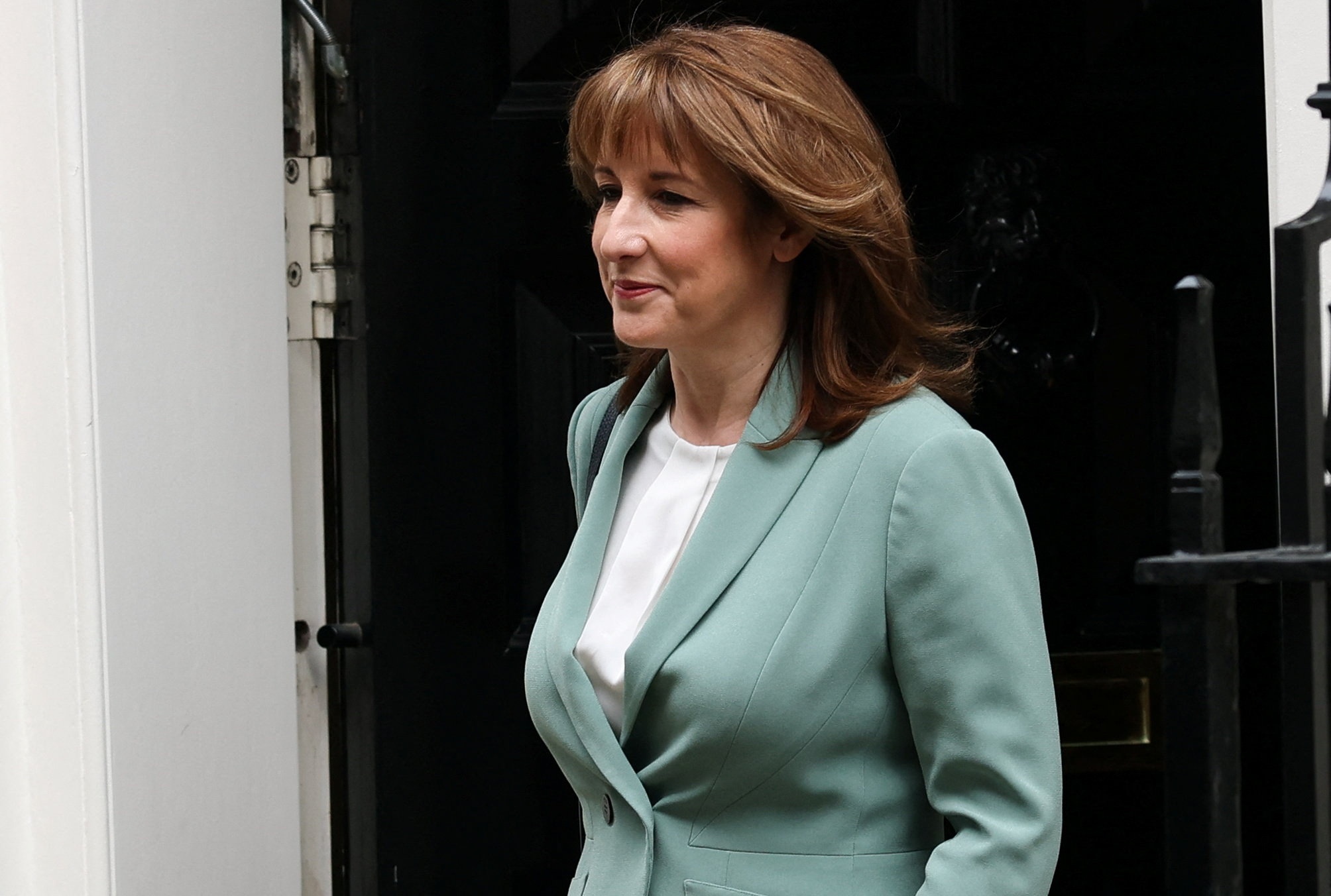
British finance minister Rachel Reeves said on Tuesday that Britain is ready to align with many European Union business rules to generate desperately needed economic growth, urging the bloc to lower post-Brexit barriers to trade.
Britain’s Labour government has sought a reset with the EU and has become increasingly vocal about the economic costs of Brexit, agreed by the previous Conservative administration in 2020.
But it has held firm in ruling out rejoining the single market or entering a customs union, limiting the potential benefits of warmer ties with Brussels.
Setting out closer EU ties as a pillar of her plans for the world’s sixth-biggest economy, Reeves said Britain would align with the bloc’s rules where it served the national interest.
While regulatory autonomy may be needed in some areas, “that should be the exception, not the norm,” she said in a speech at the Bayes Business School in London.
“When the economic gains exceed the cost, the trade-off is worth making,” Reeves said.
REEVES SAYS EU, AI AND REGIONAL GROWTH ARE KEY
Prime Minister Keir Starmer and EU leaders are due to hold a summit in the coming months with issues such as agricultural standards and allowing young people more freedom to move for work likely to be on the table.
Reeves said “no partnership is more important than that between the UK and our European neighbours,” and she was prepared to “make and win the political argument” for alignment.
Reeves said Brexit had done “deep damage,” citing an estimate that it could make Britain’s economy as much as 8% smaller than if the country had stayed in the EU.
“Let me say this directly to our friends and allies in Europe. This government believes that a deeper relationship is in the interests of the whole of Europe,” she said.
But Anand Menon, director of UK in a Changing Europe, a think tank, said unless Britain shifted position on the EU’s key priorities – such as youth mobility and access to food markets – there was unlikely to be much of a growth boost.
“The EU have to agree to this. I think it’s unlikely they will agree to this. So the implications for growth are basically zero,” he said.
The Institute of Directors, an employers group, welcomed the attempts to remove Brexit barriers but sounded a note of caution about signing up to a wide range of EU rules over the long term in return for “quick economic gains”.
Reeves and Starmer pledged before the 2024 election to accelerate Britain’s sluggish economy but its weak pace of growth could slow further due to fallout from the conflict in the Middle East.
Reeves said her decisions left Britain better placed to face the latest economic shock, and argued the state needed to play a more active, strategic role in supporting future industries such as AI and also promote regional growth.
She said the UK government would spend up to 1 billion pounds on quantum computers to help develop the quantum sector.
($1 = 0.7514 pounds)
(Reporting by William Schomberg, Alistair Smout, Muvija M, Sarah Young, David Milliken and William James)